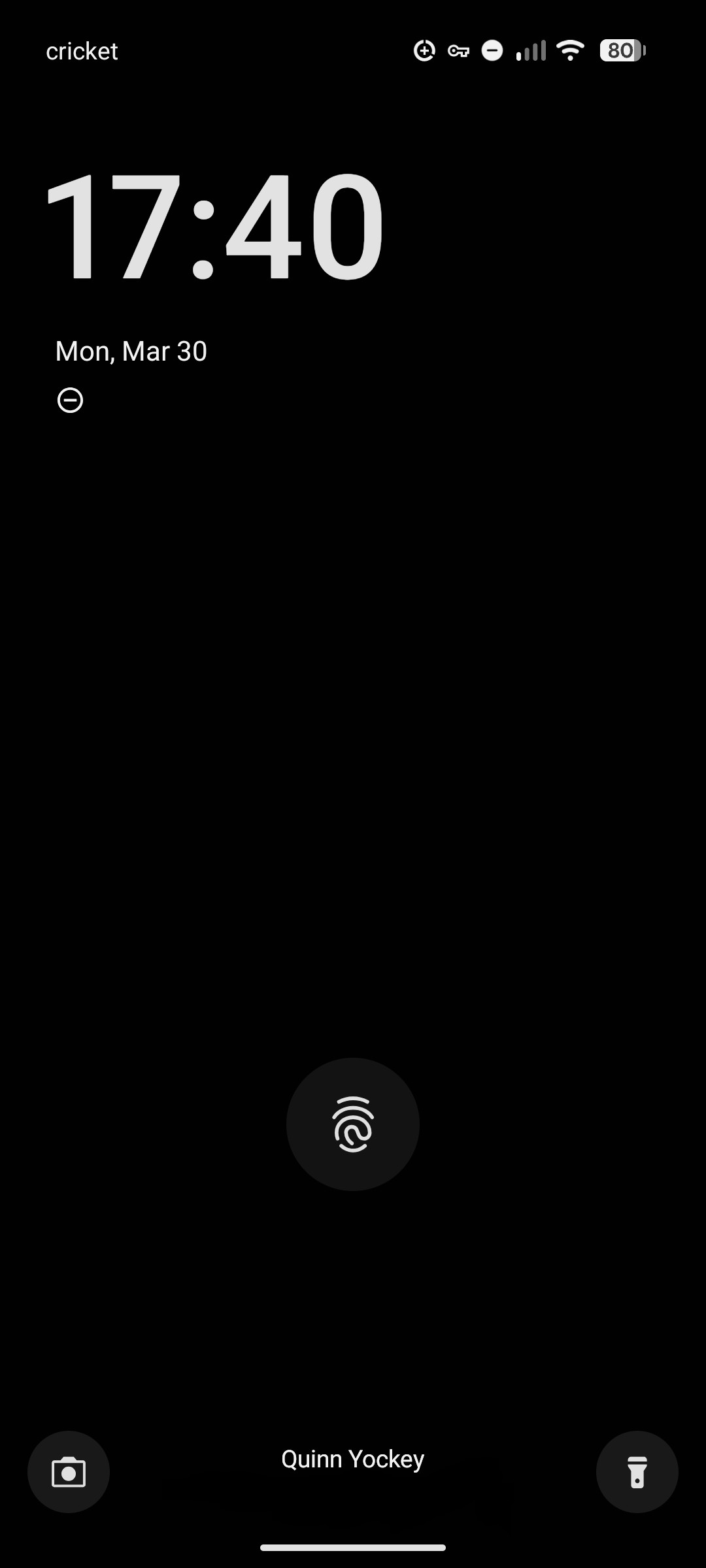
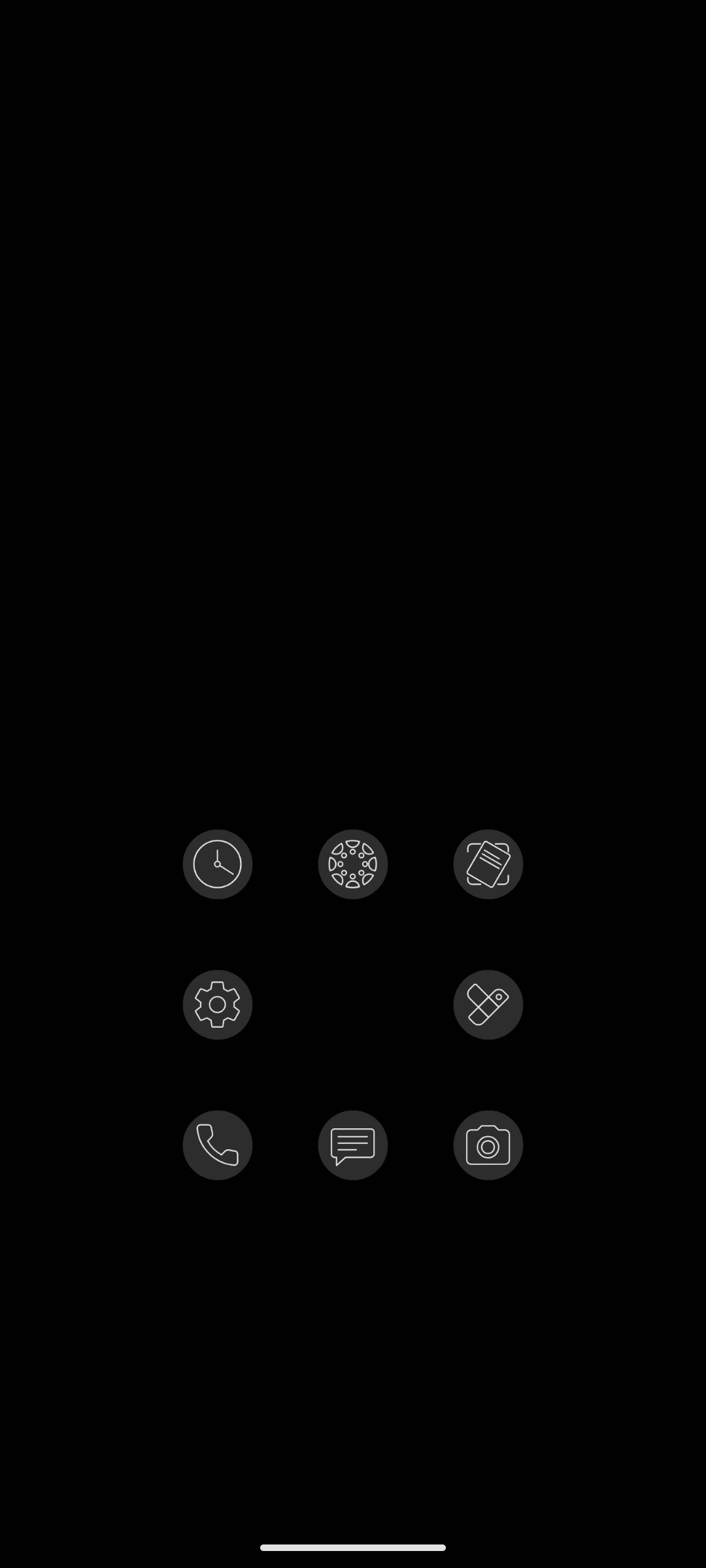
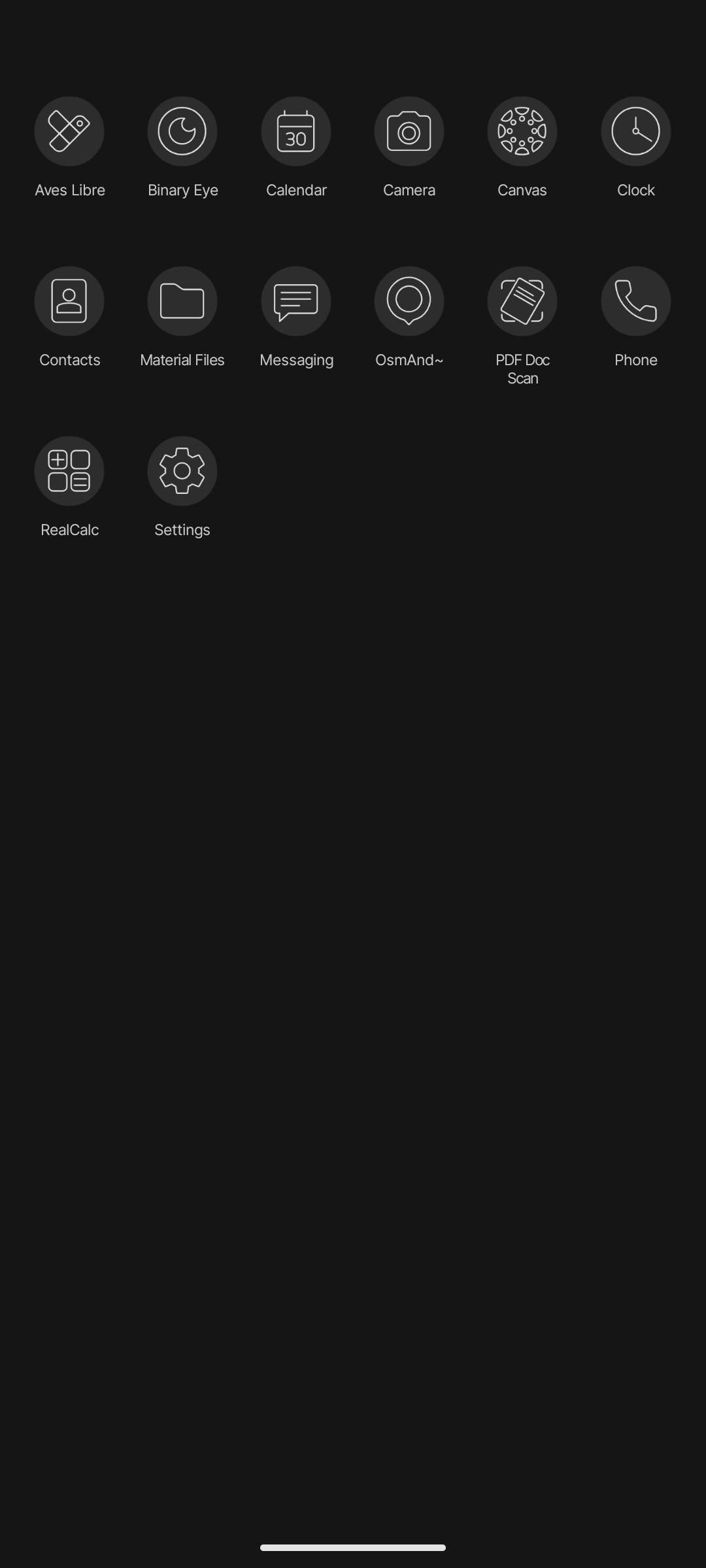
Written 2026-03-30
I used to spend a large chunk of time on my phone, and I gained little benefit or satisfaction from it. Spending upwards of 4 hours per day on my phone was common. Whenever I had a quick break, I was pulled my phone out. Now, I've effectively stripped usage of my phone to under 2 hours per week, and I feel so much better for it.
The most obvious motivating factor to quit my phone was the amount of time I spent on it. I'm currently a third-year undergraduate college student studying electrical and computer engineering. The rumors that the junior year is the hardest have definitely been true so far, and school is taking more of my time than ever before. To spend as much time on my screen as I was just wouldn't work out.
A second factor was that I felt I wasn't able to consistently give 100% focus to the tasks in my life. My notifications would pull my attention away, constantly distracting me from the task at hand or from conversation with friends. And what's worse is that once I picked up my phone, I wouldn't just set it down after taking care of whatever had bothered me, I would instead subconsciously go search for something else to do on my phone.
To get started, I made the jump to silence all notifications besides calls and calendar reminders. This was by far the most influential step for me. The notifications that ruined my focus were suddenly gone. Conversations with friends weren't broken up. When I wanted to check on my phone, I was able to, but when I set it down, it wouldn't bother me. I could step away. It was a monumental change for barely any effort on my part.
Now, this change wasn't without challenges. Primarily, it now takes me several hours to see and respond to text messages. Sometimes I miss things, but that's a cost I can accept. As I implemented this change, people in my life adapted once they realized I took longer to respond. And the beautifully simple solution is that if my immediate attention is required, a call works the same as it always has. I was already spending far less time on my phone, and experiencing the world uninterrupted was addicting. I wanted to see what else I could remove.
I really like writing lists as a way to organize my thoughts. I wanted to get a sense of what a minimalist phone would look like for me, containing only the essentials. Here's what I came up with.
Now there are also some extras that are nice to have while I'm on the go.
But that's pretty much it for bare necessities. I was amazed at how little I actually needed my phone for. Pretty much everything else could be done on my computer. However, there are some pretty glaring items missing from that list that I needed to figure out how to live without.
YouTube was first to go. I spent too much time watching videos that simply didn't matter in the slightest. And that's not to say I don't watch YouTube videos anymore. I certainly do, but nowhere near as much. Instead, I watch YouTube exclusively on my computer. That simple change introduced enough friction that I was able to cut most excess YouTube out of my life. With no YouTube on my phone, I can't just open a video instantaneously wherever I happen to be.
While I was off YouTube on my phone, I still found that I would fall into the trap of endless interesting recommended videos on my computer. I added a browser extension to Firefox on my computer called "Unhook - Remove YouTube Recommended and Shorts". It does exactly what the name says, and works wonderfully for what I need. My YouTube page is so boring now, and it's perfect. I open up to a blank page, search for specific content I want to see (not what YouTube wants me to see), watch the video (with no recommendations on the side), and then close the page. It's amazing, really.
I used to spend a lot of time browsing the internet on my phone. Again, I felt that that time wasn't well spent, so I decided to make another change. I had a simple idea:
Suppose I want to look something up.
If it's important, I will have no problem looking it up later on my computer.
Otherwise, the friction of waiting means I won't look it up since it never mattered anyway.
So I did it. I uninstalled Firefox, and I disabled Vanadium (my phone's default browser). And it worked! I felt so much more in control of my web searches. I still go on Wikipedia deep dives on my computer for topics I'm interested in, but those are much more intentional.
It is! By getting rid of all the flashy distractions, I have found that I'm able to focus on exactly what I want to. My phone is so boring and ugly that it's hard to spend time on it now.
Several studies have shown that setting phone screens to display in black and white reduces the time that users spend on them. Without bright, flashy colors, it's harder for the screen to keep users' attention. It's a hard change, but I found it really works.
One of my roommates has described my phone as dystopian. Actually, I think he has things switched around. My phone is a telephone, camera, clock, document scanner, and map. That's it. His phone, with its hundreds of applications, is a handheld addiction machine.
At its core, Android is powered by systems that phone home to Google. That's not really my jam, so I installed GrapheneOS, a privacy- and security-minded Android alternative. The installation process was surprisingly easy, and all of my apps worked out of the box.
I also installed an app called TrackerControl to selectively block trackers, fingerprinting, and telemetry from other apps on my phone. It runs locally, and allows the user to select what type of content the app can send to its company. This one is a little trickier to set up and requires customization per app, but I believe the benefits are very important.
I've made lots of other changes, so here they are in rapid-fire succession.
Here are a couple sources that inspired me.
Getting my phone to the state it's currently in has taken several years. It was a moderately difficult process, but completely doable. However, I'll admit that my journey was much easier not having any social media apps.
The biggest first step for me was silencing all notifications, which allowed me to walk away from my phone and focus on life without distraction. I learned the importance on purposefully introducing friction, which forced my actions to be intentional. From upwards of 4 hours per day, my usage has dropped to around 90 minutes per week. This came with an unexpected benefit too: without constantly sitting on my phone, the battery life has jumped from around one day to upwards of five!
Of course, what works for me won't work for everybody. If you're interested in reducing your screen time, look around and see what other people do too. But if you've got the energy and motivation right now, I couldn't recommend anything more than taking the leap.